
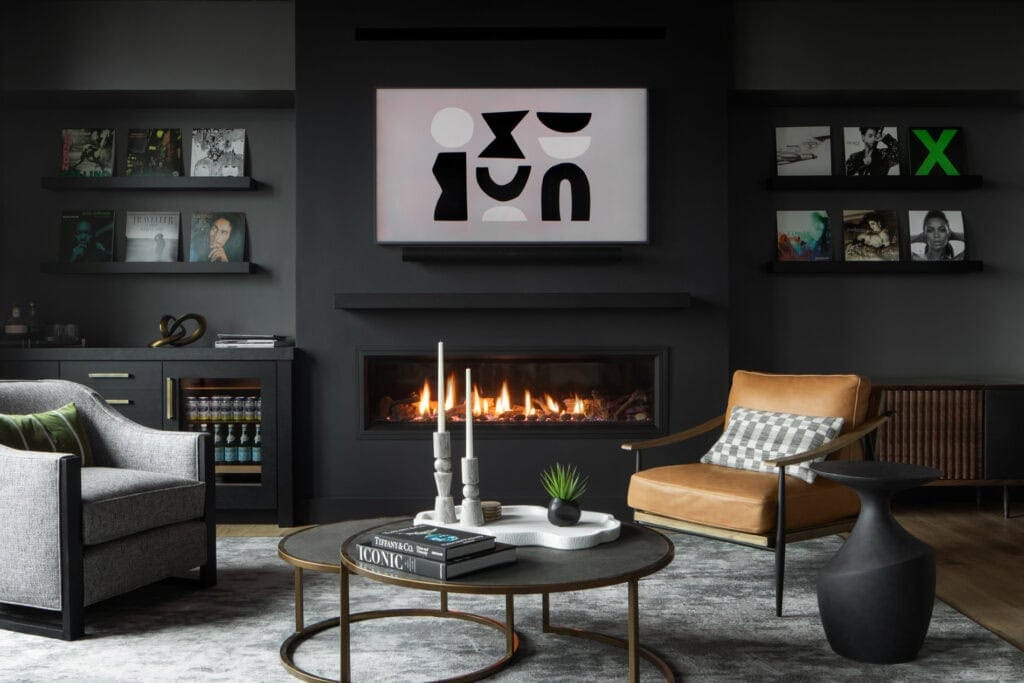
READ the story on How Integrators Can Win the Trust of Architects and Interior Designers
Our principal, Nicholas Blavat talks with the editor of CEPro, a leading publication on custom electronics.
The article highlights a shift in the custom integration industry: technology is no longer an “accessory” but a critical home infrastructure. To succeed, integrators must move away from being late-stage subcontractors and instead become collaborative members of the design team.
Blavat shares that early involvement is essential for hiding technology. For example, knowing about motorized shades during the design phase allows architects to create pockets to hide them; otherwise, everyone is forced to make aesthetic compromises later.
“From an architectural standpoint, lighting control hardware is not just an interface; it is a permanent visual element of the house. Blavat frames lighting control as a design decision that signals quality and longevity.”